Most travel guides to Rio de Janeiro look the same. Christ the Redeemer. Sugarloaf. Copacabana. A samba show with white tablecloths. These are real attractions — but they're also the version of Rio that 40 million tourists a year are walking through. If you only do them, you'll see the postcard, not the city. Cariocas — that's what locals from Rio call themselves — spend almost none of their time at those places. Here's what they actually do, and how you can join in.
The most authentic things to do in Rio aren't on Google's first page. They're spread across neighborhoods most tourists never enter: a sunrise hike in Guaratiba, a botequim crawl in Lapa, a Maracanã football night, a samba session in a hillside community, a sunset on a less-photographed mountain, and a Sunday market that's part Brazil's northeast and part flea-market chaos. None of them require breaking the bank. All of them require knowing where to go.
Why "Like a Local" Actually Matters Here
Rio is a city of contrasts. Five minutes from a luxury hotel, you'll find a favela community throwing one of the best samba parties in Brazil. Ten minutes from the most photographed beach in the world, there's a 78,000-seat stadium where the country's biggest cultural ritual happens twice a week. The tourist-trap version of Rio shows you the surface. The local version shows you why people who visit Rio once tend to come back three times.
The list below is ordered roughly by how easy each one is to do on your own. The earlier picks need only a ride-share and good shoes. The later ones reward planning — or going with someone who already knows the door code.
1. Watch the Sunrise from Pedra do Telégrafo
Yes, you've seen this rock on Instagram. The famous shot — someone hanging off the edge of a cliff — is a forced-perspective illusion. The drop behind the rock is about a meter and a half. Cariocas have been laughing at this for a decade.
What makes Pedra do Telégrafo worth waking up at 4am for isn't the photo. It's the hike itself: 40 minutes through Atlantic Forest in Guaratiba, on Rio's western edge, ending at a granite outcrop that looks out over Restinga de Marambaia — a stretch of coastline so protected by the Brazilian Navy that it's stayed essentially untouched since the 1500s.
Go for the sunrise (5:30-6:00am, year-round) before the crowds arrive. Bring water, wear shoes with grip, and accept that this isn't a city activity — it's a 90-minute Uber ride each way. Worth it once.
How to do it
- When: Arrive at the trailhead by 5am for sunrise photos. By 8am, expect a line at the rock.
- Get there: Uber from Copacabana, roughly R$120-180 each way. There is no realistic public transport option at that hour.
- Pair it with: Praia do Meio or Praia do Perigoso on the way back. Both are wild, near-empty beaches that almost no Zona Sul tourist sees.
2. Eat Where Cariocas Actually Eat: Botequins in Lapa & Centro
A botequim is not a bar. It's not a restaurant. It's a Brazilian institution somewhere between the two — fluorescent lighting, plastic chairs, a tiled bar with a refrigerator full of beer at the back, and a kitchen the size of a closet that turns out food most fine-dining chefs in Rio quietly envy.
What you order: a chopp (draft beer, ordered by the glass not the bottle), a bolinho de bacalhau (deep-fried salt cod ball), and one main — either the filé à oswaldo aranha (steak topped with fried garlic) or a feijoada if you're there on a Saturday.
Three to start with:
- Bar do Mineiro (Santa Teresa) — Feijoada served every day, not just Saturdays. The walls are covered in old samba photos.
- Adega Pérola (Copacabana) — Decades-old Portuguese-Brazilian institution. Order the codfish and the sardines on toast.
- Nova Capela (Lapa) — Open since 1903. The cabrito (goat) is the order. Open until 4am.
Skip TripAdvisor's top results in this category. The best botequins don't show up there because their owners don't speak English, don't have a marketing budget, and don't care.
3. Go to a Football Match at Maracanã (Flamengo or Fluminense)
This is the one. If you do nothing else from this list, do this.
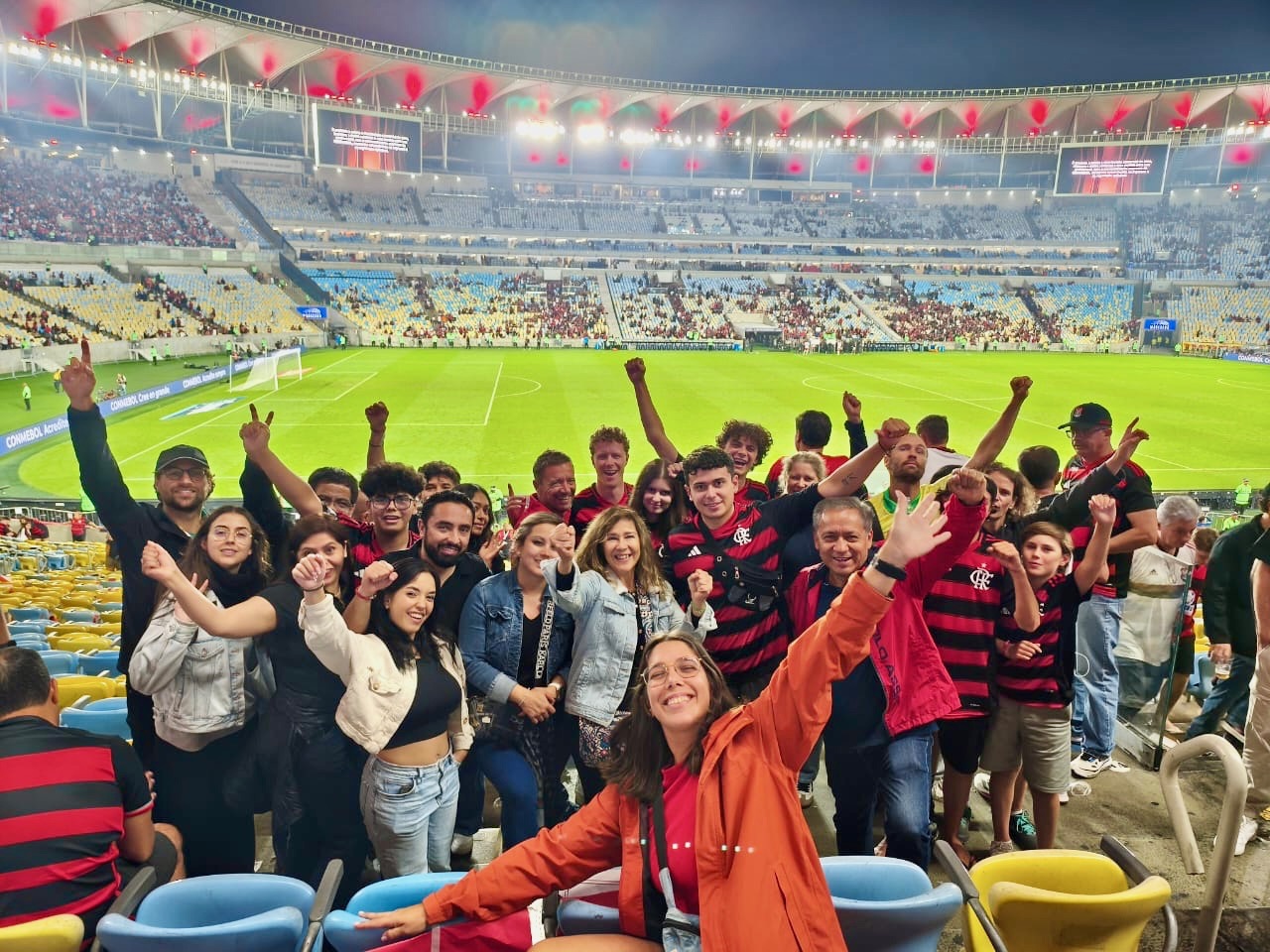
A football match at Maracanã isn't sport in the way Americans or Europeans understand sport. It's a five-hour cultural ritual involving 70,000 strangers who somehow all know the same 40 songs, a stadium that has hosted two World Cup finals, and an atmosphere that even people who hate football leave feeling shaken. Flamengo has more fans than any club on Earth — over 40 million in Brazil alone. Fluminense is the elite rival with the prettier playing style. When they meet, the day stops.
You can't just buy a ticket online. Maracanã requires a Brazilian tax ID (CPF) and mandatory facial recognition registration. Foreign passports get rejected by the official ticketing system. We wrote a full guide on this: How to Buy Maracanã Tickets as a Tourist.
What you get when you go with us at Insider Adventures: a climate-controlled van from Copacabana, an English/Spanish/Portuguese-speaking guide who's a real football fan (not a script-reader), a pre-match stop at a local bar with cold beer and Brazilian barbecue, mid-tier seats in the home crowd section, and full assistance through the biometric entry process. You get back to your hotel by 11pm with your voice gone and a video your friends won't believe.
See What's Playing This Month
Match dates for Flamengo and Fluminense are released a few weeks at a time. Tours sell out for big games.
View Upcoming Games →4. Spend an Evening at a Favela Samba — In Cantagalo, Not the Tour Bus Kind
"Favela tour" has a bad reputation, and mostly deserves it. The version where a tour bus drives through a community of 20,000 people while passengers take photos through tinted windows is exactly as exploitative as it sounds. Don't do that.
What you should do instead: go up to Cantagalo, a pacified community in Ipanema, on a Friday or Saturday night for one of the open-air samba sessions. Cantagalo is small, accessible by a public elevator from Rua Barão da Torre, and the views from the top are arguably better than from Sugarloaf — and free.
The samba up there is hosted by community members, not by tour operators. You'll pay R$10 at the door, drink beer that costs R$8 instead of R$25, and watch people play instruments their grandfathers built. This is samba the way it was meant to be heard — not in a theater seat with a buffet behind you.
Going up safely
- Go after 8pm, leave before 1am. Take the public elevator up; take a moto-taxi down (R$10).
- Don't wear flashy jewelry or pull out an expensive phone. You'd be the only one doing it.
- If this feels like a lot to navigate alone, ask your hotel concierge for a recommendation — most have a community partner they trust.
5. Hike Morro Dois Irmãos at Sunset
Everyone climbs Sugarloaf. Almost no one climbs the two-peaked mountain right next to Ipanema, even though the view is — and Cariocas will fight you on this — better.
Morro Dois Irmãos is a 60-minute hike up through Vidigal, another pacified community at the southern end of Leblon. You start at the top of the community (R$15 motorcycle ride up from the entrance), then follow a marked dirt trail for 40 minutes. The summit gives you all of Rio in one frame: Ipanema and Leblon stretched out below, Copacabana around the corner, Christ the Redeemer in the distance, and the Atlantic Ocean filling the rest of the horizon.
Go for sunset. Bring a headlamp for the descent. Bring water. The hike is moderate — not technical — but the last 15 minutes are steep.
6. Sunday at Feira de São Cristóvão (Centro de Tradições Nordestinas)
Most of Rio's cultural identity actually comes from Brazil's northeast — the music, the food, the rhythm, the dialect. In the 20th century, millions of nordestinos migrated south to Rio looking for work, and they brought their culture with them. The Feira de São Cristóvão is the result: a 700-stall covered market in northern Rio that, on weekends, becomes the largest northeast-Brazilian cultural festival in the country.
Open all weekend, but go on a Sunday afternoon. Eat carne de sol (sun-dried beef), tapioca (savory or sweet), and drink cachaça from any of the small bars. There's live forró music — a partner dance that's easier than samba and twice as fun — on multiple stages.
The market is in a neighborhood most tourists never see. It feels like stepping out of Rio and into another region of Brazil entirely. Ride-share in and out. R$30 entry, R$80 of food and drink covers the day.
7. Bar-Hop in Botafogo, Not Copacabana
If you've heard about Copacabana's nightlife from your hotel concierge, ignore them. The action moved years ago. Botafogo — the neighborhood between Copacabana and Centro — is where Cariocas in their twenties and thirties actually go on a Friday night.
Three blocks to anchor your night around:
- Rua Nelson Mandela (Voluntários da Pátria, near the Rio Sul mall) — Dozens of bars and restaurants packed into two blocks. Start at Comuna (craft beer, food trucks parked outside) and drift.
- Cobal do Humaitá — A converted produce market with twenty restaurants and bars in one open-air courtyard. Pizza, sushi, Argentinian, Mexican — the layout means you can table-hop without ever leaving.
- Bar Urca (technically Urca, but walking distance) — Drink chopp on the seawall facing Sugarloaf. The view alone is worth the cab.
Botafogo is also a 10-minute Uber to anywhere else in Zona Sul, which makes it the smartest base of operations for any night out.
How to Stitch a 4-Day "Like a Local" Itinerary
If you're working with limited time, here's how Cariocas would build the trip for you:
| Day | Morning | Afternoon | Evening |
|---|---|---|---|
| Day 1 | Ipanema beach | Christ the Redeemer (get the clichés out of the way) | Botafogo bar crawl (#7) |
| Day 2 | Slow morning, brunch | Botequim lunch in Santa Teresa (#2) | Maracanã football night (#3) |
| Day 3 | Pedra do Telégrafo sunrise (#1) | Morro Dois Irmãos sunset (#5) | Cantagalo samba (#4) |
| Day 4 | Feira de São Cristóvão (#6) | Sugarloaf cable car | Lapa for the arches and live music |
Day 2 is the one most visitors remember years later. Build your trip around it — meaning, check the Maracanã match calendar first, then book flights to overlap with a Flamengo or Fluminense home game. Match dates always win against any other schedule.
Plan Your Trip Around a Real Maracanã Night
Tour ticket, private climate-controlled van from Copacabana, multilingual guide, pre-match bar stop, mid-tier home-crowd seats, and full biometric entry assistance — handled.
Book Your Match →Frequently Asked Questions
What's the most authentic thing to do in Rio de Janeiro?
Is it safe to do these things as a tourist?
How many days do I need in Rio to experience it like a local?
When is the best time of year to visit Rio?
Do I need to speak Portuguese to enjoy Rio?
What should I avoid doing in Rio?
The Trip That Sticks
Everyone goes home from Rio with the same five photos: Christ, Sugarloaf, Copacabana, Ipanema, a caipirinha. The trip that stays with you for years is the one where you also have a video of 70,000 people singing the Flamengo anthem at the same time, a story about climbing a hill in Vidigal for the world's best view, and a Sunday afternoon spent eating tapioca in a market most tourists don't know exists.
Rio doesn't hide the local version from you. It's just one neighborhood, one elevator, one match ticket away from where you're already standing.